Natural Rhythm
Notice the breath as it moves naturally, without controlling pace or depth. Simply observe what is already happening.
Simple breath observation techniques for cultivating present-moment awareness throughout your day.
Various ways to direct attention to the breath without trying to change it.
Notice the breath as it moves naturally, without controlling pace or depth. Simply observe what is already happening.
Choose where to direct attention: the nostrils, chest, or abdomen. Each location offers different qualities to observe.
Notice the moments between inhale and exhale—the natural pauses that occur without forcing them.
Observe temperature, texture, and movement. The coolness of air entering, the warmth of air leaving.
Notice whether breaths are shallow or deep without judgment. Depth often reflects current state and activity level.
Observe the natural speed of breathing. It may be quick or slow, steady or variable—all are information about your state.
The breath is always present and always accessible. Unlike other objects of attention, it requires no special equipment or environment. It connects inner awareness with the physical body in each moment.
Using breath as a reference point throughout the day creates natural opportunities to notice your current state without interrupting ongoing activities.
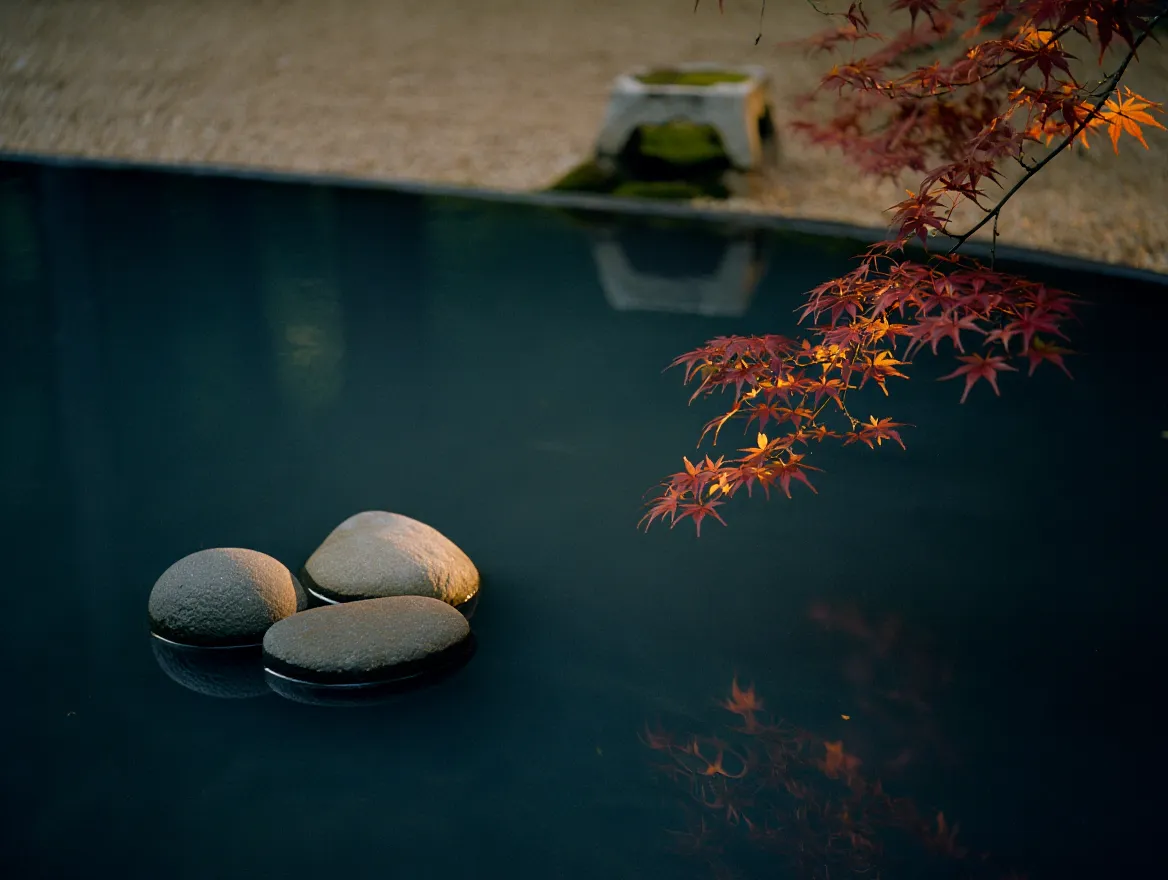
Simple ways to incorporate breath awareness into daily life.
Upon waking, before leaving bed, take three breaths while simply noticing their qualities. This establishes awareness as the first activity of the day.
When moving between tasks or locations, take one conscious breath. This creates a brief pause that can reveal shifts in your state throughout the day.
Use waiting time—in lines, for appointments, during loading screens—as opportunities to observe a few breaths without trying to change them.
"Breath observation is not about achieving a particular state. It is about noticing what is already present."
— Educational Perspective
Before sleep, spend a few moments observing breath without goals. This natural process of attention often supports the transition to rest.